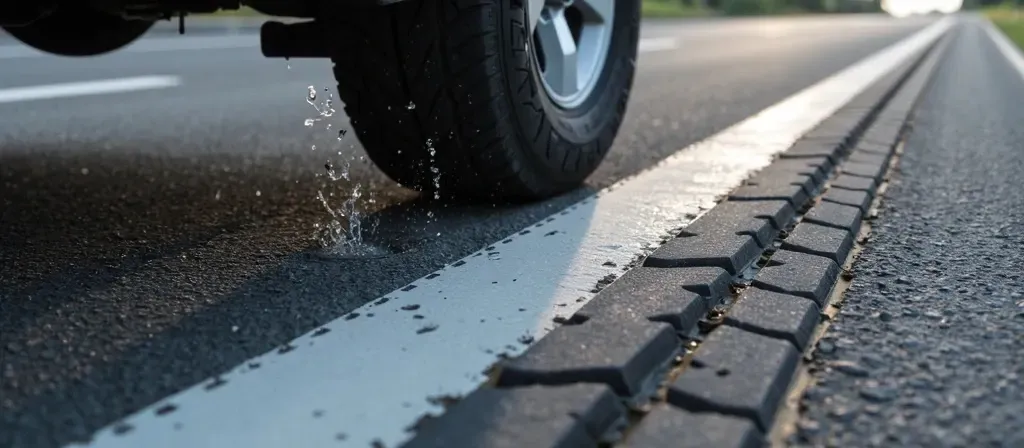
Why Smooth Concrete Is Not Always Best for Denver Driveways
What to Know:
Smooth concrete looks clean and modern, but Denver’s climate creates real safety and durability trade-offs. Ice, UV exposure, freeze-thaw scaling, and de-icing chemicals can make smooth driveway surfaces harder to maintain and less safe than textured finishes, especially through winter
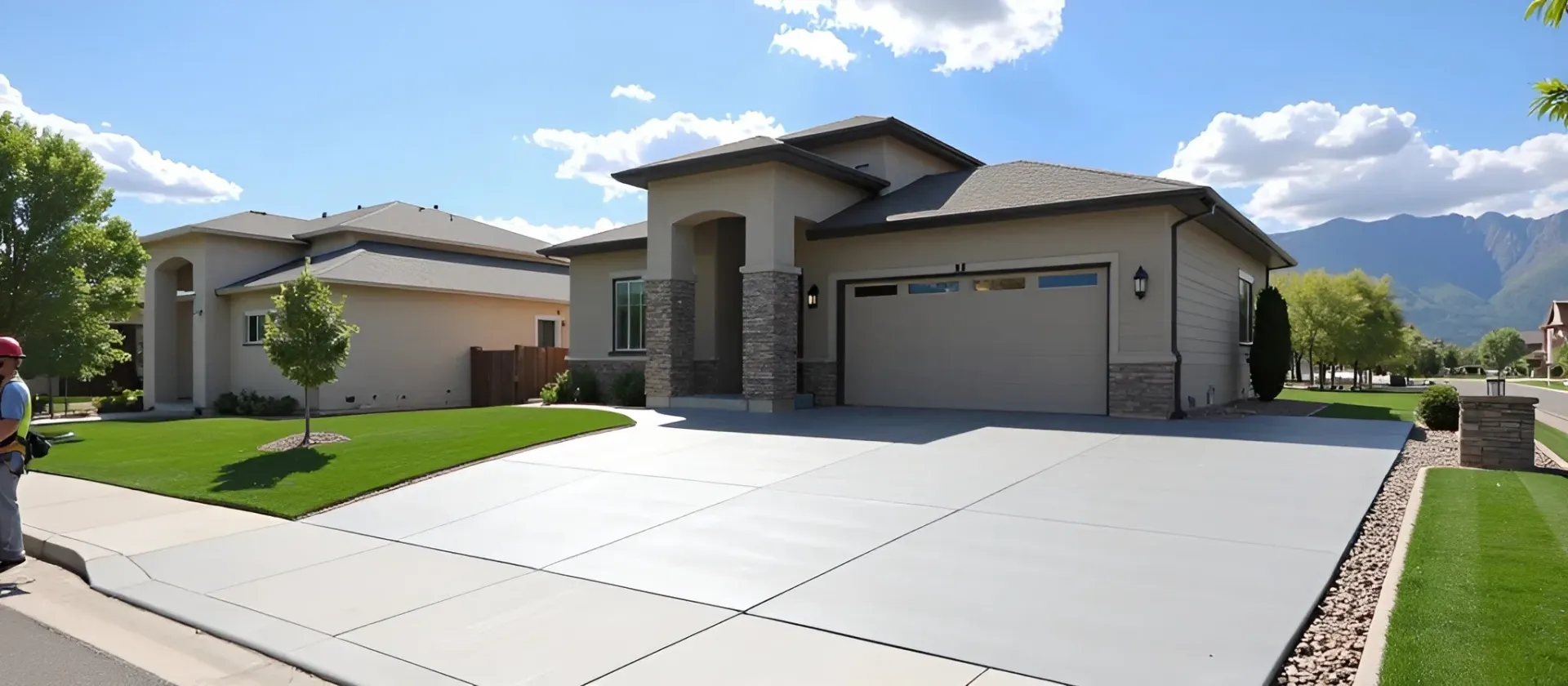
Smooth concrete has real visual appeal. It looks polished, contemporary, and intentional in a way that a standard broom finish does not. For interior floors, countertops, and certain commercial applications, a smooth troweled surface is often exactly the right choice. But for a driveway in Denver, smooth concrete introduces a set of problems that the look does not justify — and the homeowners who find this out the hard way tend to find it out in January, when the driveway is a sheet of ice and the smooth surface has nothing to offer in the way of grip.
This article is not an argument against concrete or even against decorative finishes. It is a straightforward look at what smooth concrete does and does not do well in Colorado’s climate, and why the finish choice for a Denver driveway should be driven by the conditions the surface will actually face rather than by how it looks in a portfolio photo taken on a clear summer day.
What “Smooth” Actually Means for a Concrete Surface
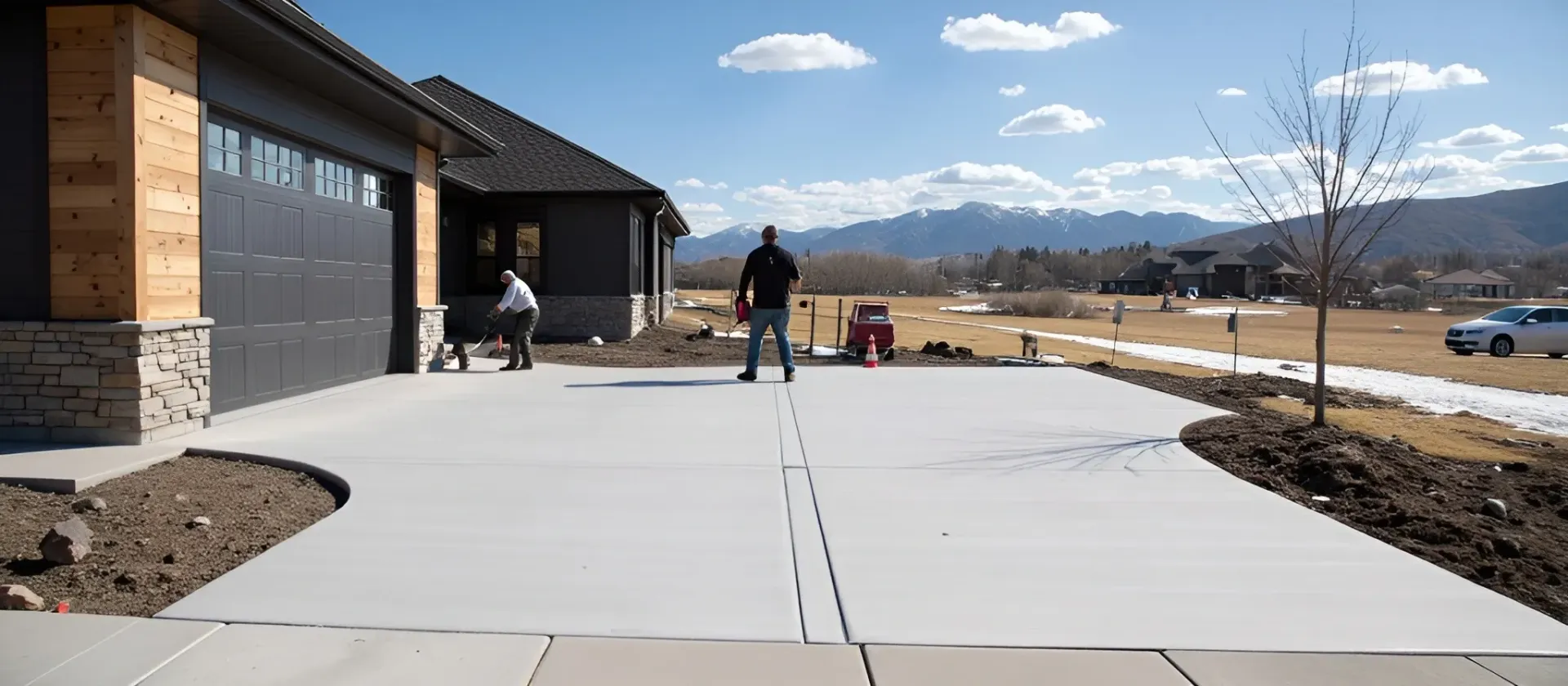
When concrete finishers talk about a smooth finish, they are describing a surface that has been worked with a steel trowel after the initial floating — a process that compresses the surface layer, brings fine paste to the top, and produces a dense, flat surface with minimal texture. The smoother the finish, the less surface texture exists to create friction between the concrete and whatever is moving across it. That is great for applications where slip resistance is not a concern. For an outdoor driveway in a city that receives regular snowfall and ice events, it is a problem.
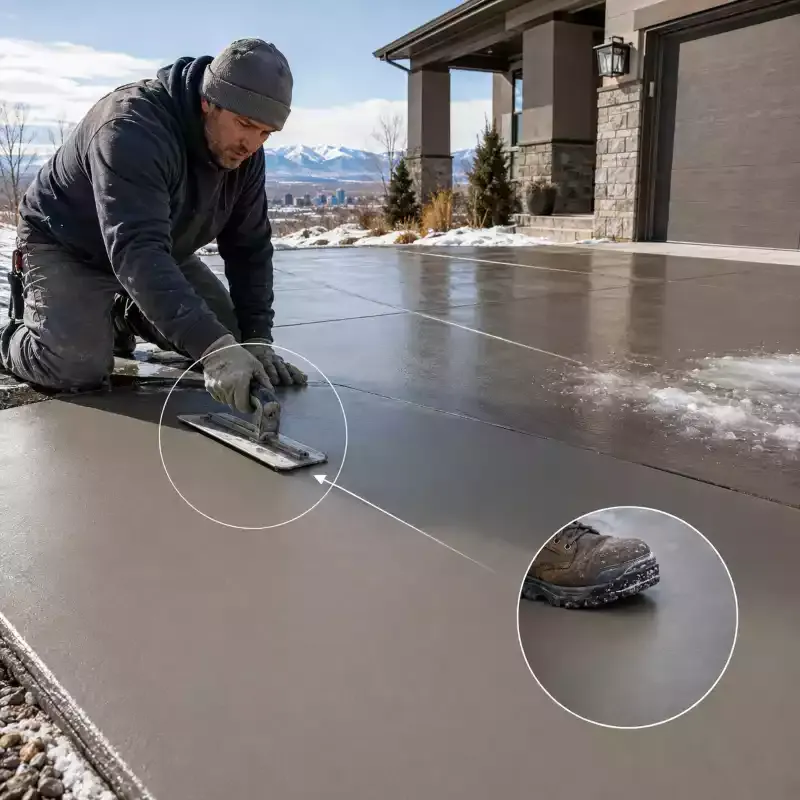
For Denver homeowners weighing finish options for a new driveway, reviewing broom finished concrete driveways in Denver, CO can help clarify how textured finishes perform in local winter conditions before any commitment is made — because the finish decision is made before the pour and cannot be reversed without significant expense afterward.
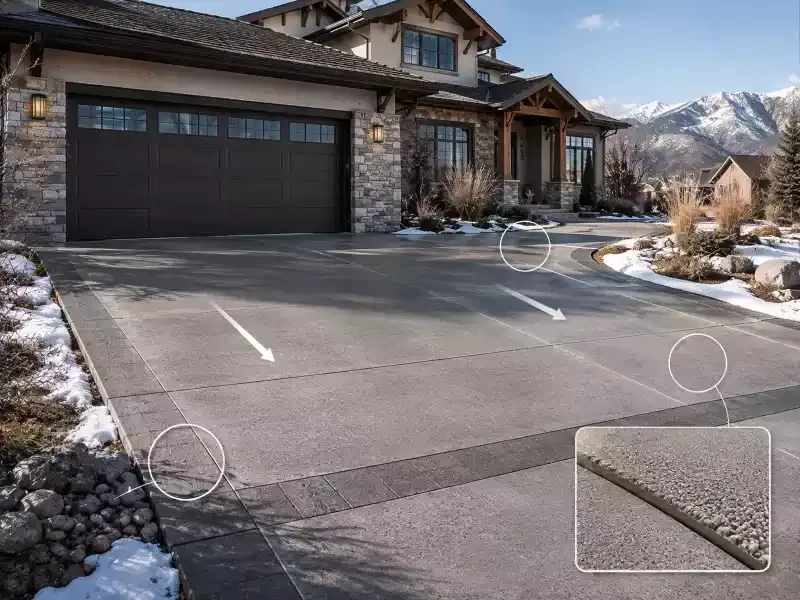
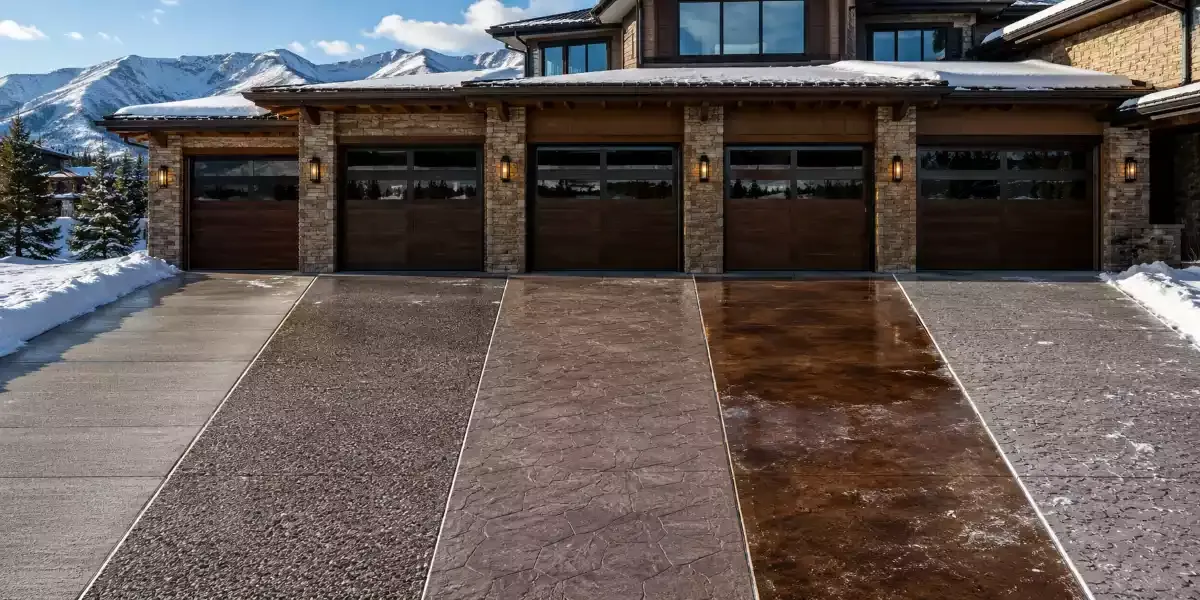
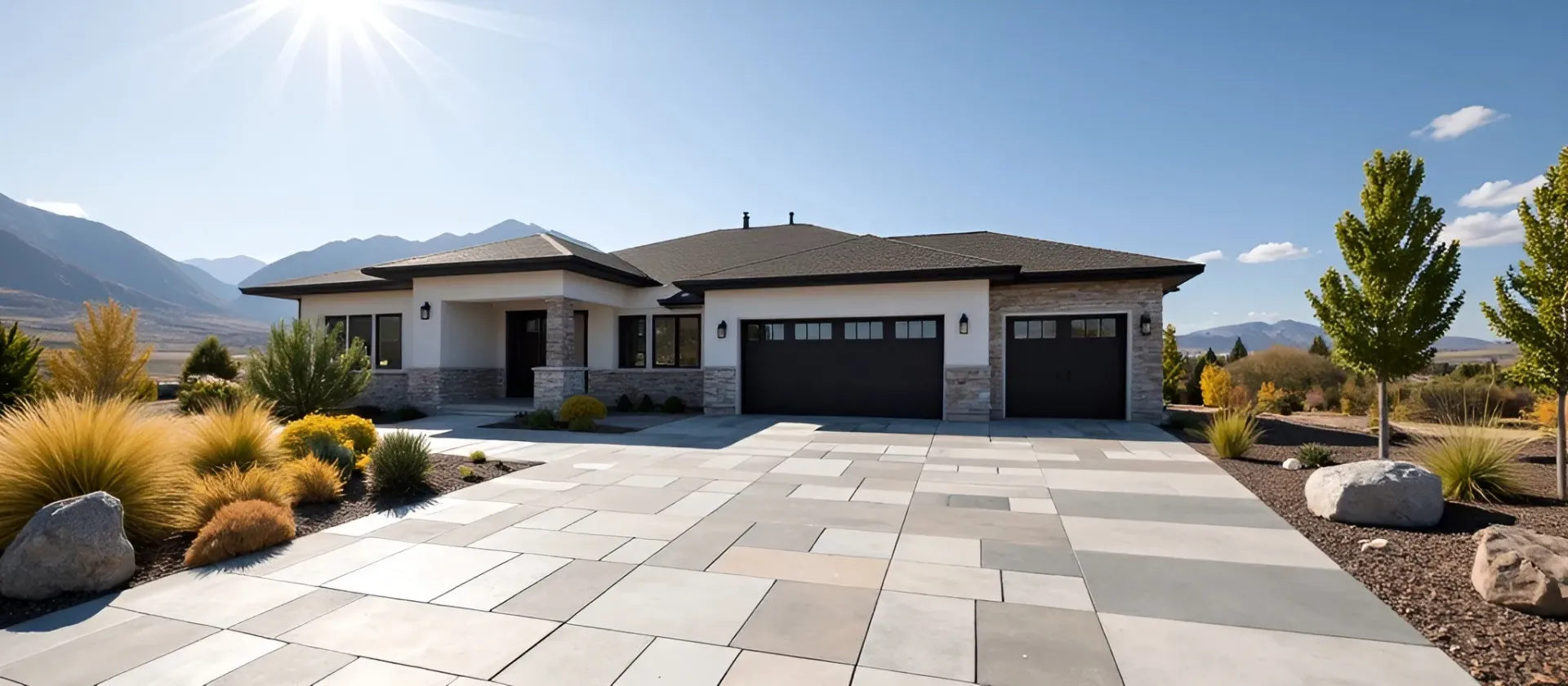
There is a spectrum between truly smooth and aggressively textured concrete, and most finishes fall somewhere in the middle. A light broom finish applied after steel troweling produces a surface that has some trowel-smoothness under the broom texture. A medium broom finish applied to concrete that has not been heavily troweled produces more pronounced texture with better traction characteristics. And a heavy broom or exposed aggregate finish produces a surface where traction is very reliable but the visual refinement of a smooth surface is substantially absent. Understanding where on that spectrum a proposed finish falls is part of what a Denver homeowner should be evaluating before choosing.
The Ice Problem: Why Traction Matters in Denver
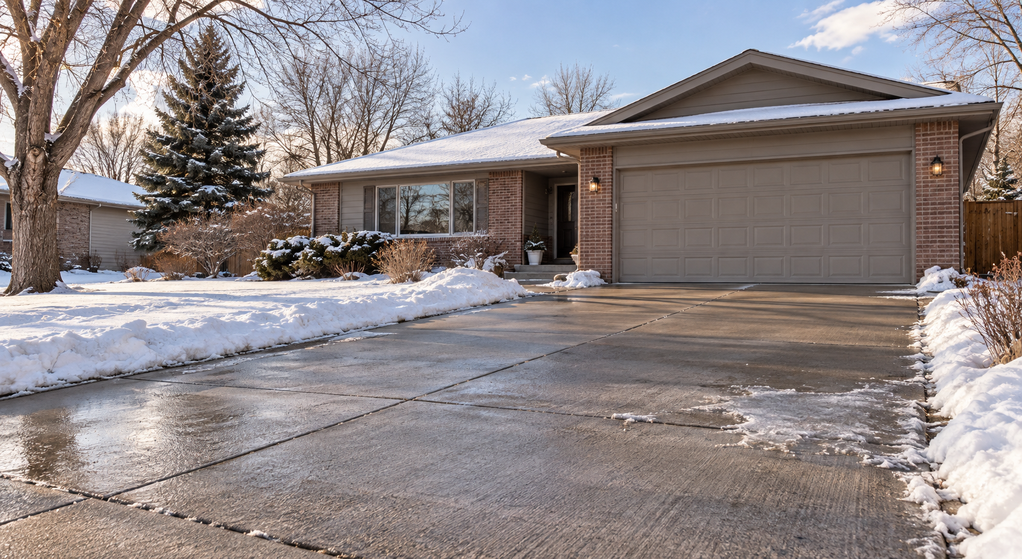
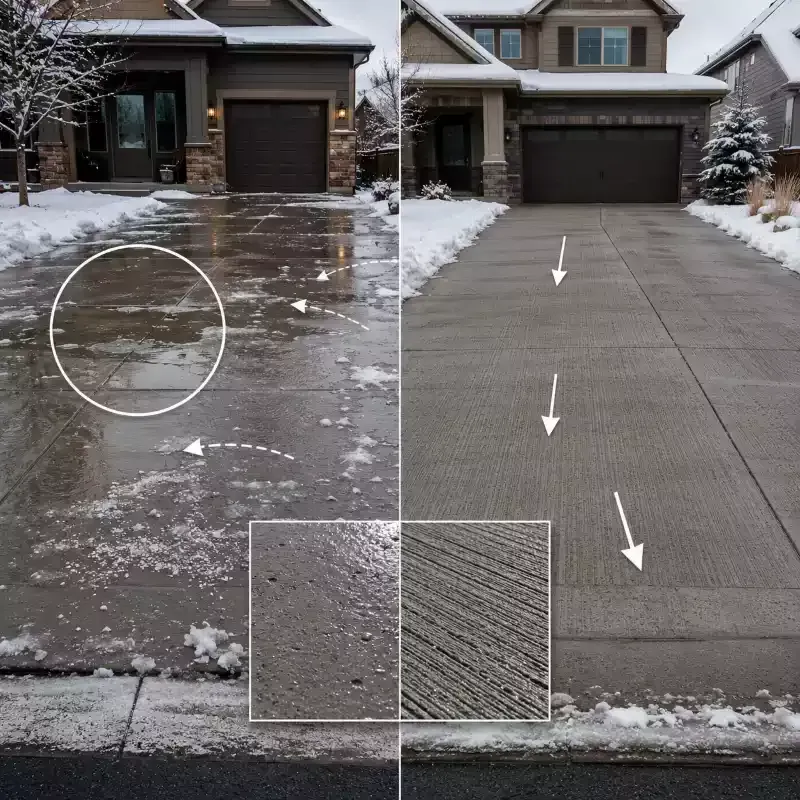
Denver receives snowfall regularly throughout winter, and the city’s elevation and proximity to the mountains create weather patterns that produce a particularly hazardous surface condition: ice that forms when snow melts during the day and refreezes at night. This freeze-thaw cycle is different from sustained snowpack because the refrozen layer is often thin, transparent, and not immediately obvious — the driveway appears wet rather than icy, and the realization that it is actually ice comes at the moment of a slip rather than before it.
Smooth concrete provides almost no traction against this kind of ice. The texture that creates friction between a shoe sole or tire and the surface is exactly what smooth concrete lacks, and on a grade — which many Denver driveways have, given the city’s varied terrain — the combination of smooth concrete and refrozen meltwater is genuinely hazardous. This is not a theoretical concern or an edge case. It is a condition that occurs repeatedly throughout Denver winters, and the homeowners who have smooth driveways manage it primarily through aggressive ice melt application — which introduces its own problems for concrete durability, as discussed below.
De-icing Chemicals and Smooth Concrete: A Damaging Combination
The response to an icy, smooth concrete driveway is almost always to apply de-icing salt or chemical ice melt products. These products work by lowering the freezing point of water, which melts the ice and provides the traction that the smooth surface does not.
The problem is that many of the most effective de-icing products — particularly those containing calcium chloride or magnesium chloride, which are widely used because they work at lower temperatures than plain rock salt — are also damaging to concrete surfaces when used repeatedly over time.
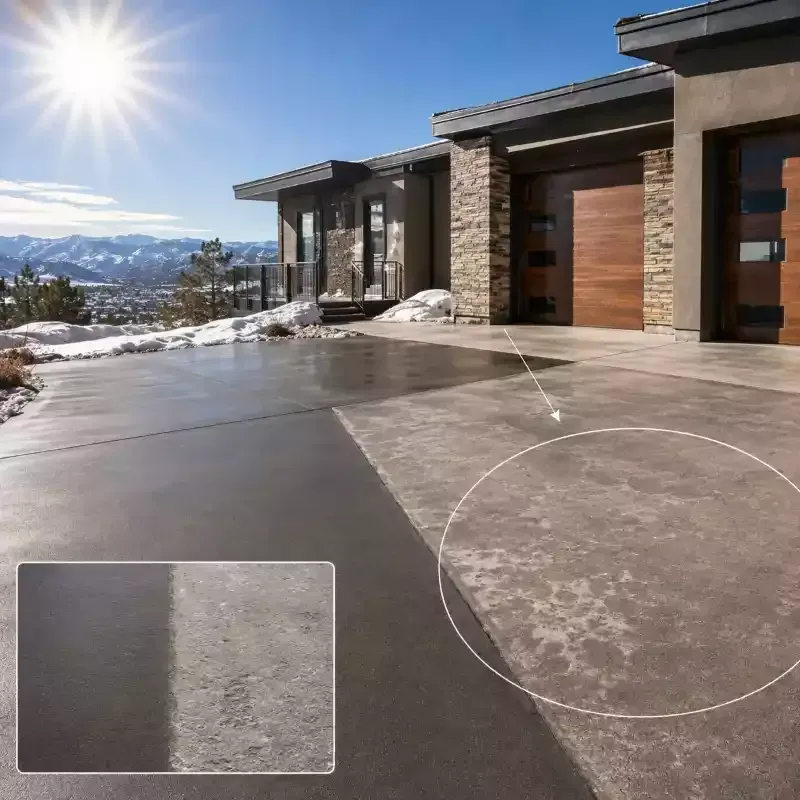
The mechanism of damage is the freeze-thaw cycle itself, accelerated and repeated. When de-icers melt ice and then the resulting water refreezes before it drains away, the freeze-thaw cycling that the de-icer was intended to prevent simply happens at a smaller scale within the concrete’s pore structure. Over multiple winters of regular de-icer application on a smooth, dense surface — where the water has fewer pathways to drain and may pond rather than running off — the surface begins to scale and spall. The damage is gradual but cumulative, and concrete that seemed fine after two or three winters can begin showing significant surface deterioration by years five or six.
Freeze-Thaw Scaling: The Long-Term Durability Issue
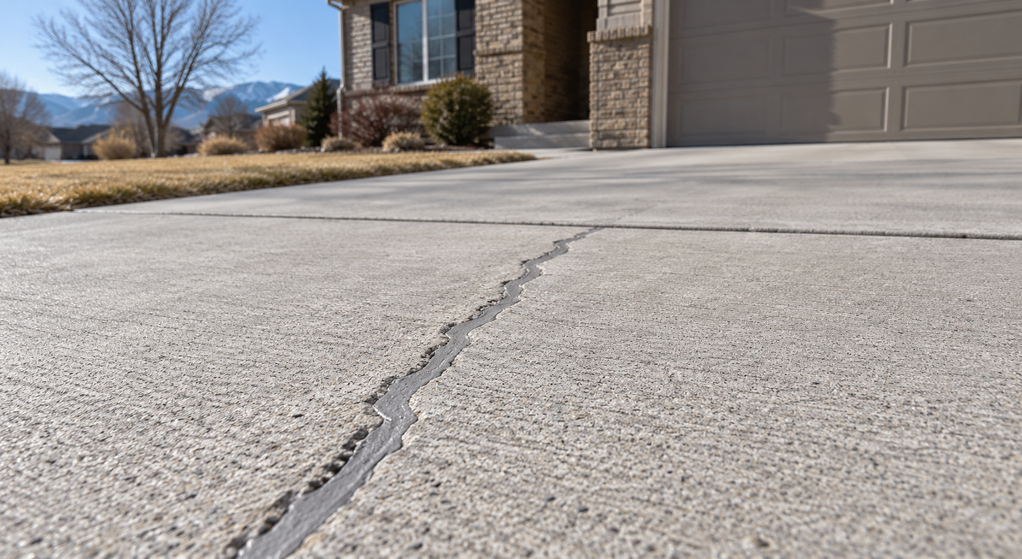
Freeze-thaw scaling is one of the most common concrete deterioration problems in Denver, and smooth concrete is more susceptible to it than textured alternatives for a reason that comes down to surface physics. When a smooth, dense troweled surface is exposed to freezing conditions, water that has infiltrated the surface layer has less room to expand during freezing than in a more open-textured surface. The expansion pressure fractures the surface layer from within, producing the flaking and peeling that is the visual signature of freeze-thaw scaling.
Air-entrained concrete — the standard specification for exterior concrete in Denver’s climate — addresses this by incorporating microscopic air bubbles that provide space for freezing water to expand without damaging the surrounding material. But over-troweling of air-entrained concrete can close the surface and reduce the benefit of air entrainment at the most vulnerable part of the slab — the top layer. A concrete finisher who works a smooth finish too aggressively on air-entrained concrete in Denver’s conditions is effectively undermining one of the primary durability features of the mix. At Denver Concrete Driveway Pros, our crews understand the relationship between finishing technique and long-term performance in Colorado’s freeze-thaw environment. The finishing approach we recommend is always matched to the conditions the slab will face — not to what produces the smoothest-looking surface on the day of the pour.
UV Exposure at Denver’s Elevation
Denver sits at 5,280 feet above sea level, and the UV radiation reaching the city’s surface is meaningfully more intense than at lower elevations. That UV exposure affects concrete surfaces by breaking down the surface layer over time — a process called carbonation and oxidation that reduces the density and impermeability of the surface. For any concrete surface in Denver, this is a maintenance consideration.
For smooth concrete specifically, it is a larger concern because the surface’s visual quality is more sensitive to the oxidation and chalking that UV degradation produces.
A broom or aggregate textured surface can lose some of its original density and show some surface fading without the change being dramatically visible, because the texture itself remains the defining visual characteristic. A smooth troweled surface, where the refinement of the finish is what makes it visually appealing, shows UV-related degradation more obviously — the chalking, the color shift, and the roughening that occurs as the surface oxidizes reduces the smooth appearance that made it attractive in the first place. Maintaining a smooth concrete surface in Denver’s UV environment requires more frequent sealing than textured alternatives, and when that sealing is deferred, the degradation of the surface’s appearance accelerates.
When a Smooth or Near-Smooth Finish Does Make Sense
This is not an argument that smooth concrete is categorically wrong for Denver properties. There are situations where it is appropriate or even the best choice. Garage floors, for example, benefit from a smooth or lightly textured finish because they are not exposed to rain, snow accumulation, or outdoor freeze-thaw conditions in the same way a driveway is. A covered patio that does not receive direct precipitation and is not at risk of ice formation can accommodate a smoother surface than an exposed driveway. Interior concrete surfaces of all kinds suit smooth or polished finishes extremely well.
For driveways specifically, the question is whether the slope, the winter exposure, and the homeowner’s approach to ice management justify the traction trade-off that comes with a smoother finish. A flat driveway in a sheltered location that receives minimal ice events and is managed with regular snow removal before melt-and-refreeze can occur presents a different risk profile than a sloped driveway in a more exposed location. The finish decision should reflect the property’s actual conditions, not a blanket rule.
For Denver homeowners comparing finish options, our guide on how to choose a better finish for Denver concrete driveways explains how traction, slope, drainage, freeze-thaw durability, and maintenance expectations should shape the decision before the concrete is poured.
Making the Finish Decision With Denver’s Winter in Mind
The finish decision for a Denver driveway should be made with February in mind, not July. A finish that looks beautiful in the portfolio photos from a clear summer installation may perform poorly in the conditions that actually define whether a Denver driveway is safe and functional: ice-covered mornings, temperature swings that cycle through freezing multiple times in a single week, and the repeated application of de-icing products that the surface requires when it offers no inherent traction of its own.
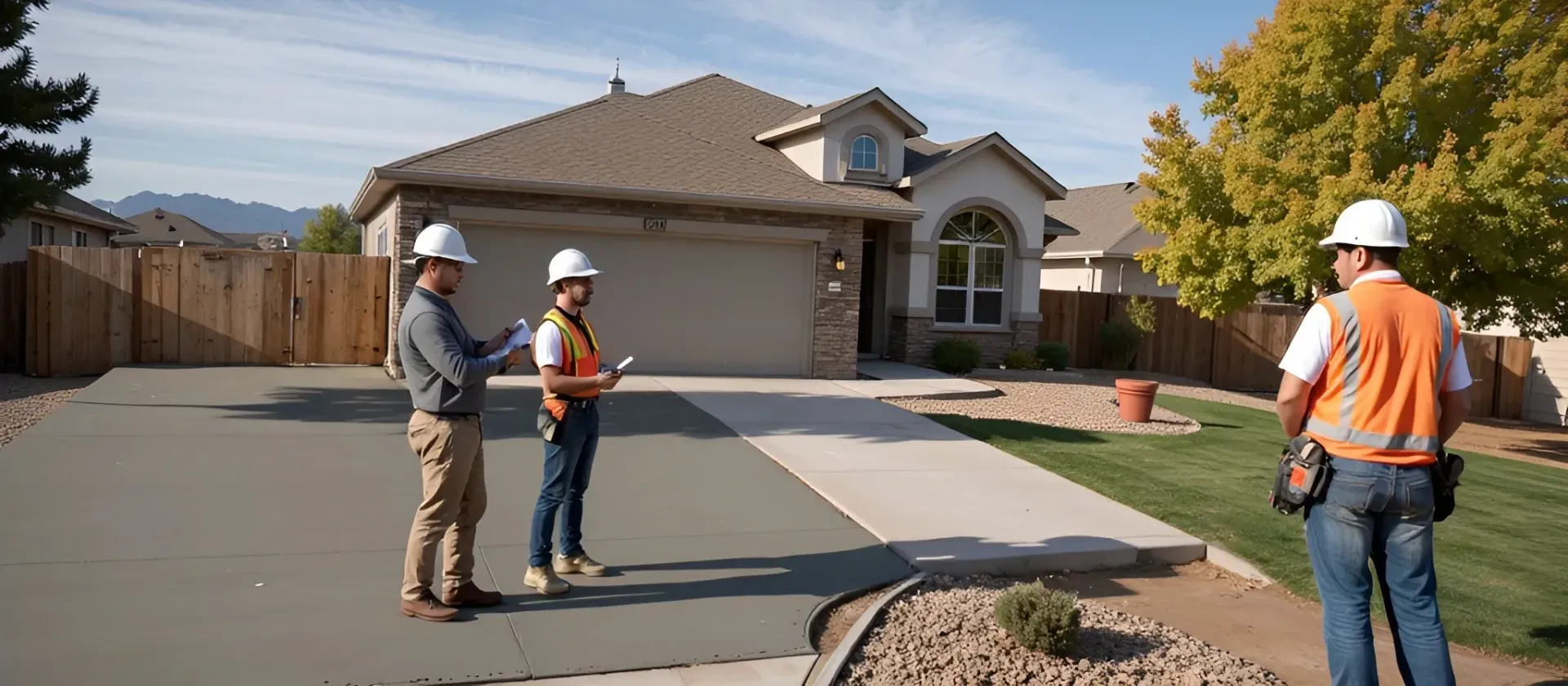
Working with a contractor who will have an honest conversation about what a chosen finish actually requires to remain safe and maintain its appearance in Denver’s climate is the most practical preparation for this decision. The finish choice is made once and lives with the homeowner for the life of the driveway, which in a well-installed concrete driveway can be twenty-five years or more. Getting it right from the start is worth the additional conversation time, and the right contractor for a Denver driveway project is one who actively contributes to that conversation rather than simply confirming whatever the homeowner initially wants to hear.
For a deeper look at the safety side of finish selection, our article on
why surface texture matters for skid resistance in Denver explains how friction, wet-weather grip, driveway slope, and surface profile affect traction during Colorado’s snow and ice conditions.

Written By:
Kurt Manalastas
Home Improvement Research Specialist
Kurt is a Home & Property Research Journalist who researches and writes educational content on home services, property improvement, and residential decision-making. He focuses on translating real-world contractor experience, industry standards, and verified research into clear, practical guidance that helps homeowners understand their options and make informed decisions.