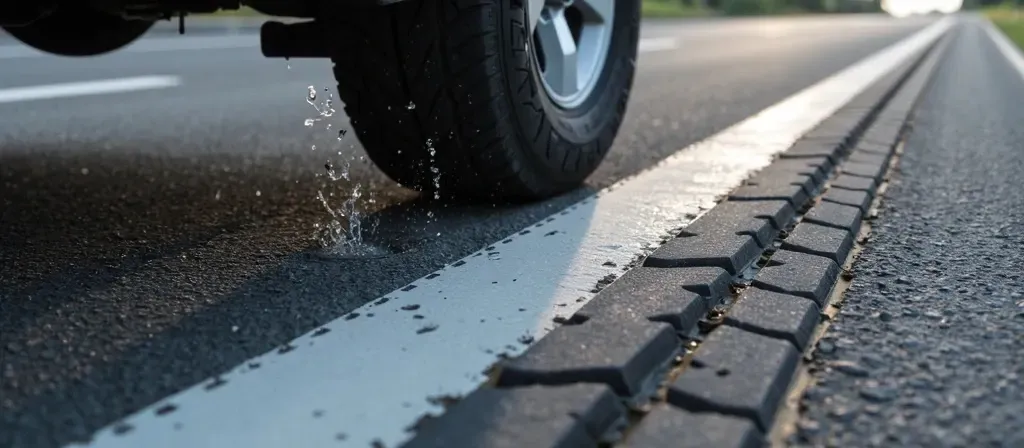
A Smarter Look for Denver Concrete Driveways
Design Snapshot:
A smarter Denver concrete driveway balances color, texture, drainage, traction, and structural preparation. Neutral tones, restrained decorative accents, proper grading, and climate-ready construction help the surface complement the home while resisting sunlight, snow, freeze-thaw cycling, and long-term wear.
A concrete driveway covers a substantial portion of a home’s front exterior, so treating it as a purely functional surface is a missed opportunity. The right design can improve curb appeal, complement the architecture, simplify maintenance, and withstand Denver’s demanding weather conditions. Homeowners exploring colored concrete driveway services in Denver should therefore consider more than a preferred shade. The concrete mixture, finish, drainage, joint placement, traction, and surrounding materials all influence whether the driveway continues looking attractive after years of vehicle traffic, sunlight, snow, and freezing temperatures.
A smarter driveway usually has a restrained design. Excessive colors, complicated patterns, and finishes that compete with the house can quickly make an exterior look dated. The strongest results come from balancing visual character with practical construction decisions.
Begin With the Style of the Property
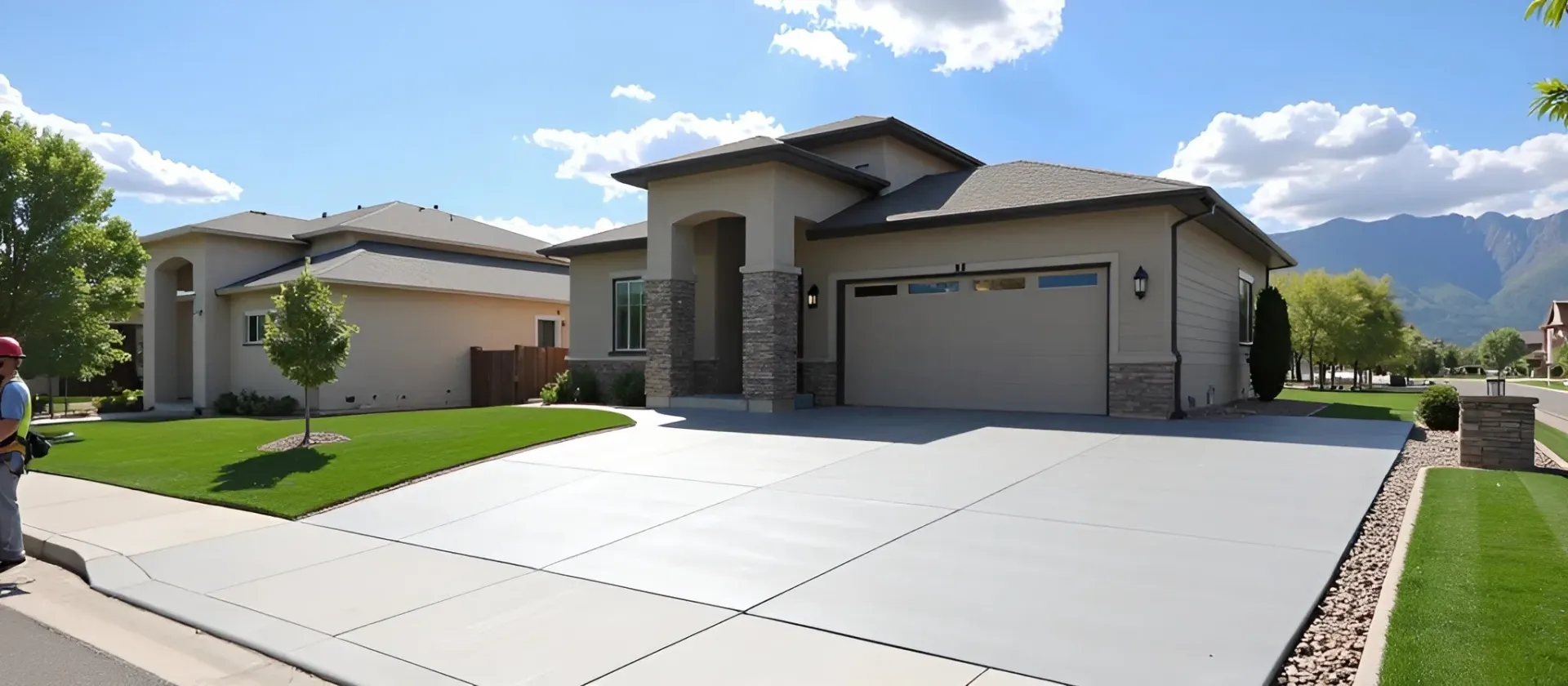
In our work around Denver, Denver Concrete Driveway Pros have seen that the most successful designs appear connected to the home rather than added as an afterthought. A modern property may benefit from clean saw-cut lines and a consistent gray tone, while a brick or traditional home may look better with warm coloring, exposed aggregate, or a subtle stamped border.
Homeowners should compare the driveway design with the siding, roofing, masonry, garage door, walkways, and landscaping. Matching every color exactly is unnecessary and can make the exterior look overly coordinated. A better approach is to select a complementary tone that supports the existing materials.
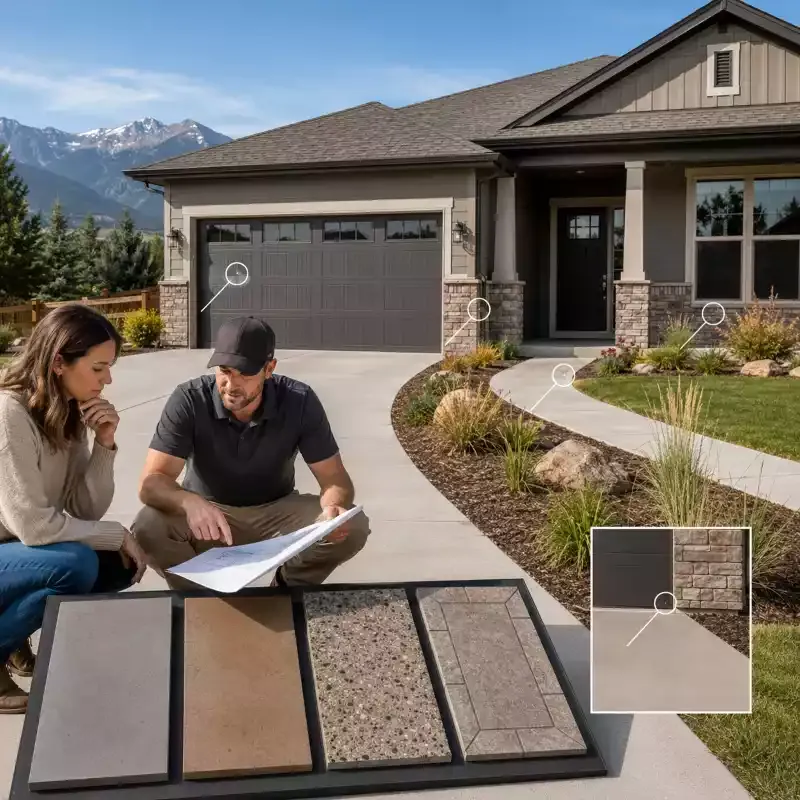
This matters because concrete is difficult and expensive to change once installed. Paint colors and plants can be updated relatively easily, but an unsuitable driveway finish may remain visible for decades.
Choose Concrete Colors That Age Gracefully
Neutral concrete colors are usually the smartest choice for Denver homes. Warm gray, charcoal, sand, taupe, and muted brown can add visual depth without overwhelming the property. These shades also tend to work well with the brick, stone, stucco, and painted siding commonly found throughout the Denver area.
Very dark concrete can become noticeably warm under Colorado’s intense summer sun. It may also display dust, mineral deposits, and salt residue more clearly. Extremely light surfaces can show tire marks, oil stains, and rust discoloration. Mid-range tones generally provide the best balance between appearance and realistic maintenance.
Integral color, which is mixed into the concrete, usually provides more consistent results than a surface-only treatment. Stains and topical color systems can create attractive effects, but their appearance depends heavily on surface preparation, installation quality, exposure, and future maintenance.
Use Decorative Features With Restraint
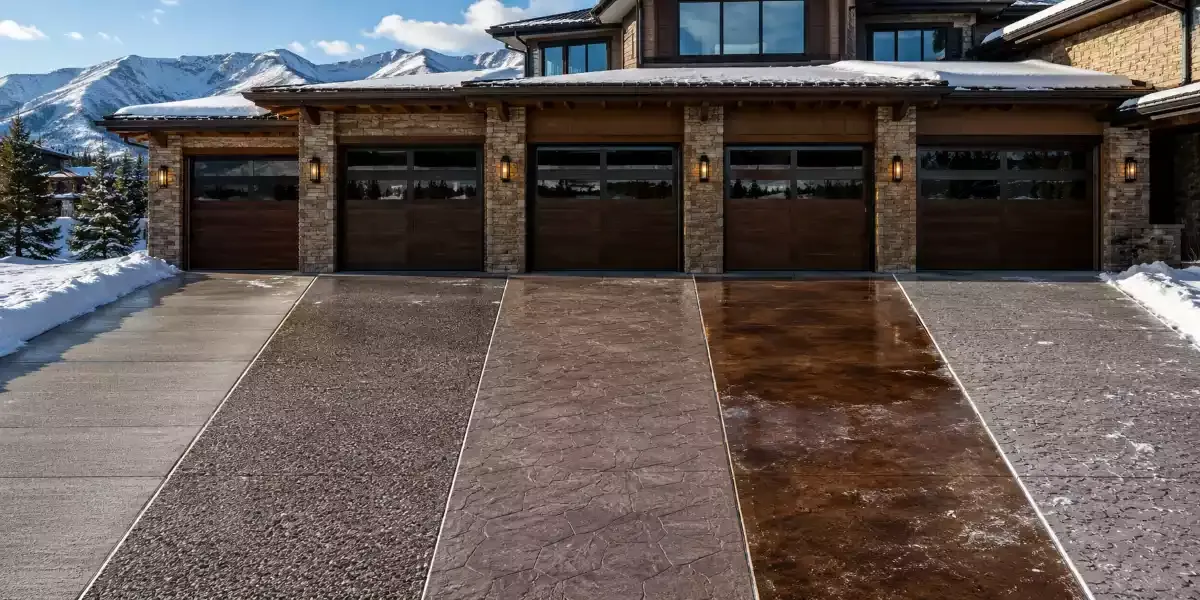
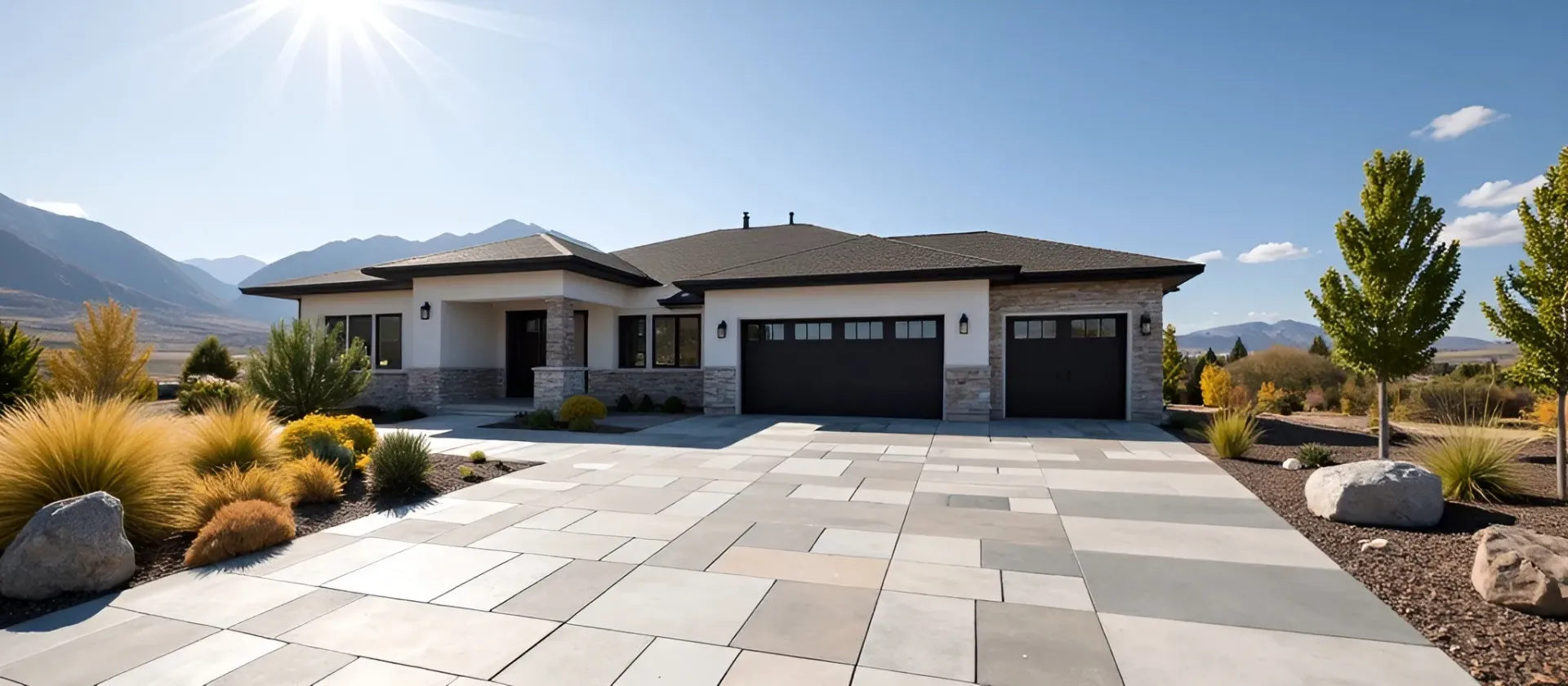
Stamped patterns, borders, aggregate finishes, and contrasting bands can make a driveway look more intentional. However, using several decorative techniques at once rarely improves the final result.
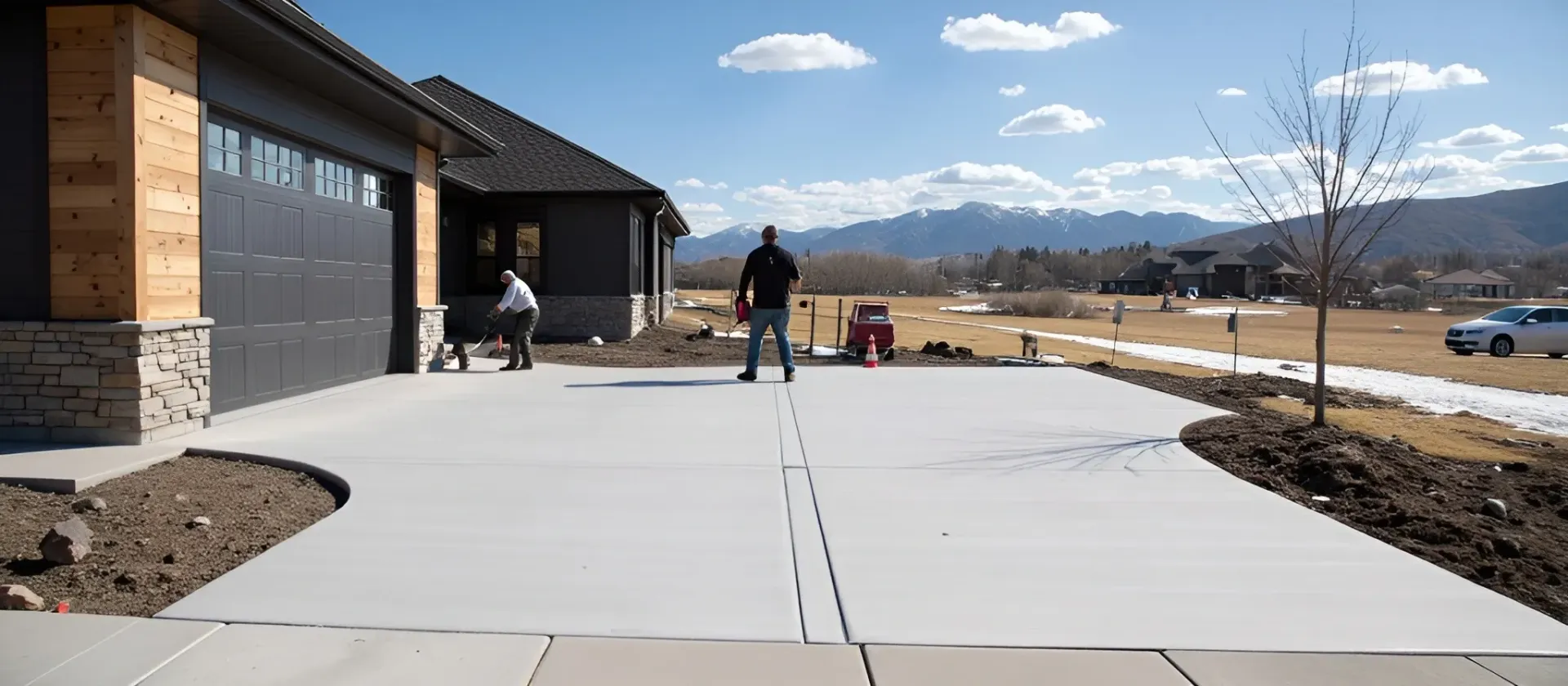
A simple border around broom-finished concrete for safer Denver driveways can create definition without turning the surface into the dominant feature of the front yard. A contrasting apron near the street or garage can also provide visual structure. For wider driveways, carefully arranged control joints can divide the surface into balanced sections while serving an important technical purpose.
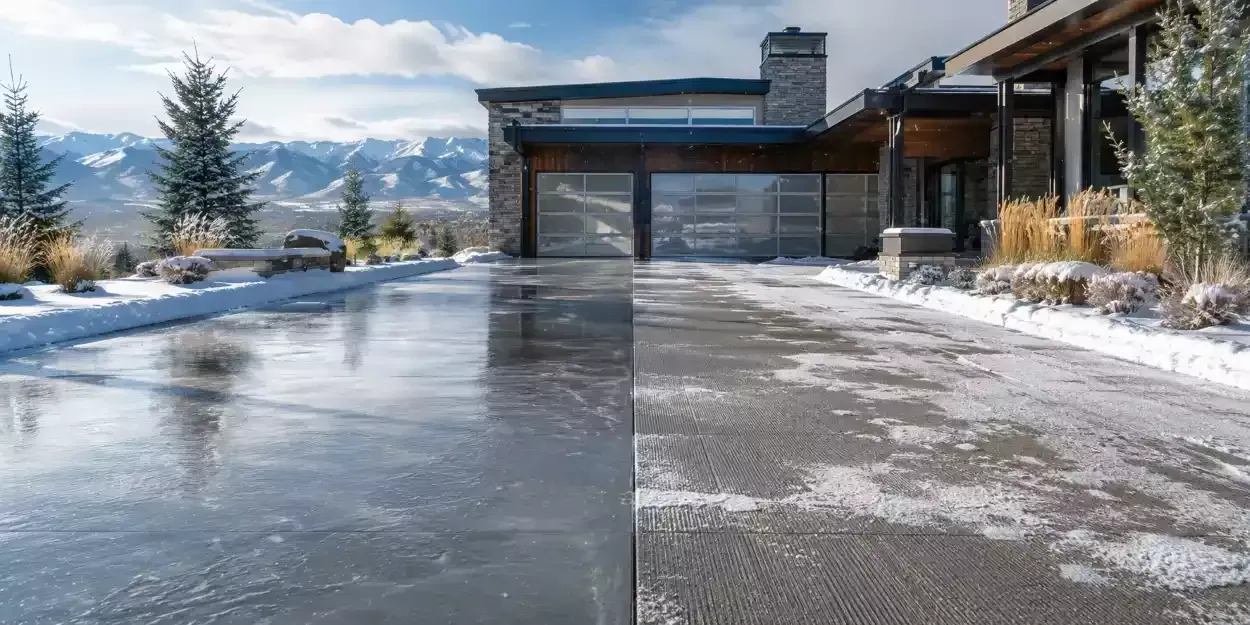
Stamped concrete can imitate stone, slate, or brick, but homeowners must consider traction and maintenance. Deep textures may collect debris, while smooth decorative surfaces may become slippery when covered with snow or ice. Sealers can protect color and improve stain resistance, but some products may also affect surface grip.
The driveway should remain safe and usable during Denver winters. Appearance should never outweigh traction.
Design for Denver’s Weather Conditions
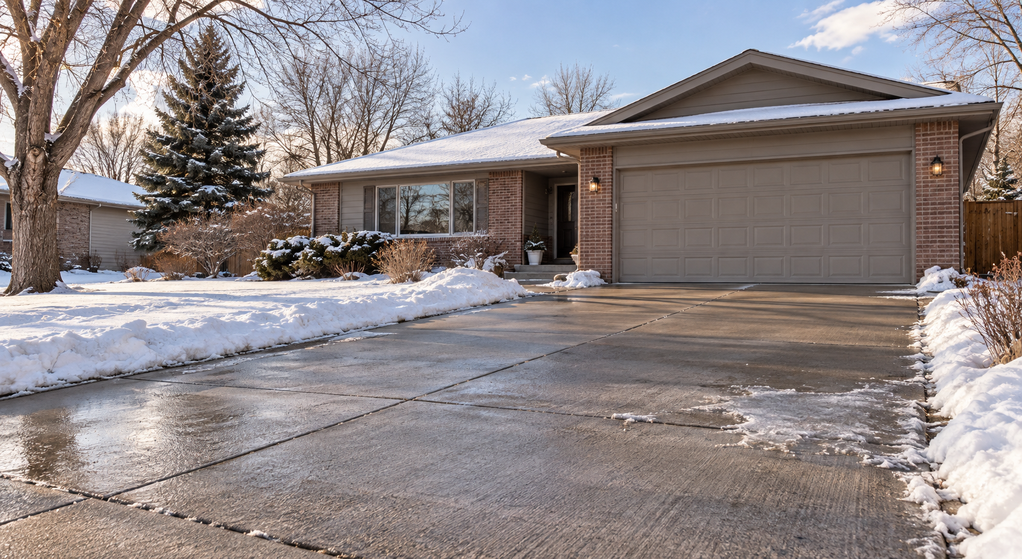
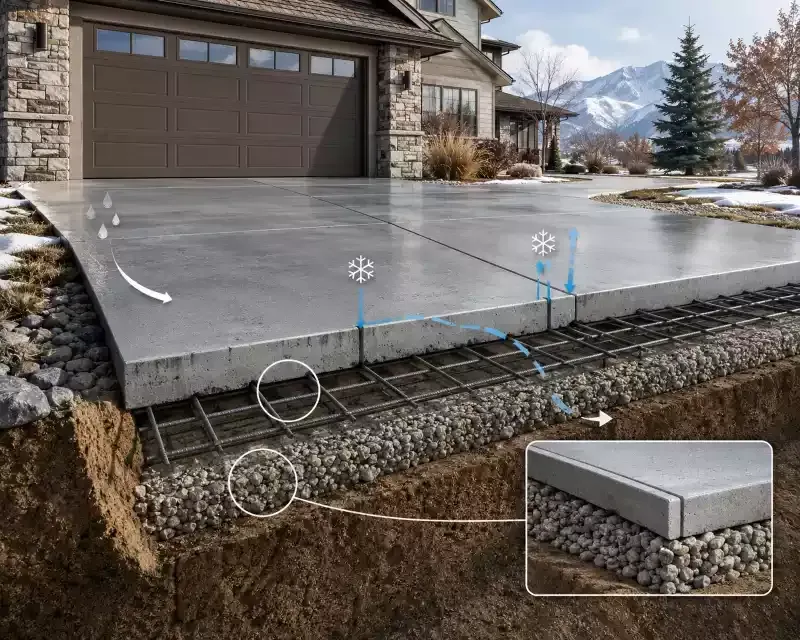
Denver concrete is exposed to strong sunlight, dry periods, snow, freezing temperatures, and repeated thawing. Snow may melt during a sunny afternoon and refreeze after temperatures drop, allowing moisture to enter vulnerable cracks and surface defects.
Durable driveway construction requires appropriate base preparation, concrete thickness, reinforcement decisions, air entrainment, curing, and control-joint placement. These details may not be visible after installation, but they determine how well the driveway manages seasonal movement and freeze-thaw exposure.
Based on our experience with local concrete work, homeowners often focus heavily on the finish while giving too little attention to the base and subgrade beneath the slab. Decorative concrete placed over a poorly compacted base can still settle, crack, or become uneven. No color or stamp can compensate for inadequate site preparation.
Denver’s elevation and strong solar exposure also affect installation. Concrete can lose moisture quickly under hot, dry, or windy conditions. Proper placement and curing practices are essential for reducing surface weakness and premature cracking.
Treat Drainage as Part of the Design
A driveway cannot maintain a clean appearance when water repeatedly pools near the garage, freezes in low areas, or erodes soil along the edges. Proper slope should direct water away from the home while preventing runoff from creating problems near sidewalks, landscaping, or neighboring properties.
Downspouts are another frequent concern. Discharging roof water directly onto a driveway can contribute to staining, ice formation, and repeated moisture exposure. Extensions or drainage improvements may be necessary to move water toward a more suitable location.
Older Denver properties can present additional challenges because existing garages, sidewalks, alleys, and lot elevations may limit available drainage options. These conditions should be evaluated before concrete is removed or forms are installed. Correcting the grade during construction is far easier than attempting to solve persistent puddles afterward.
Avoid Cosmetic Repairs That Hide Structural Problems
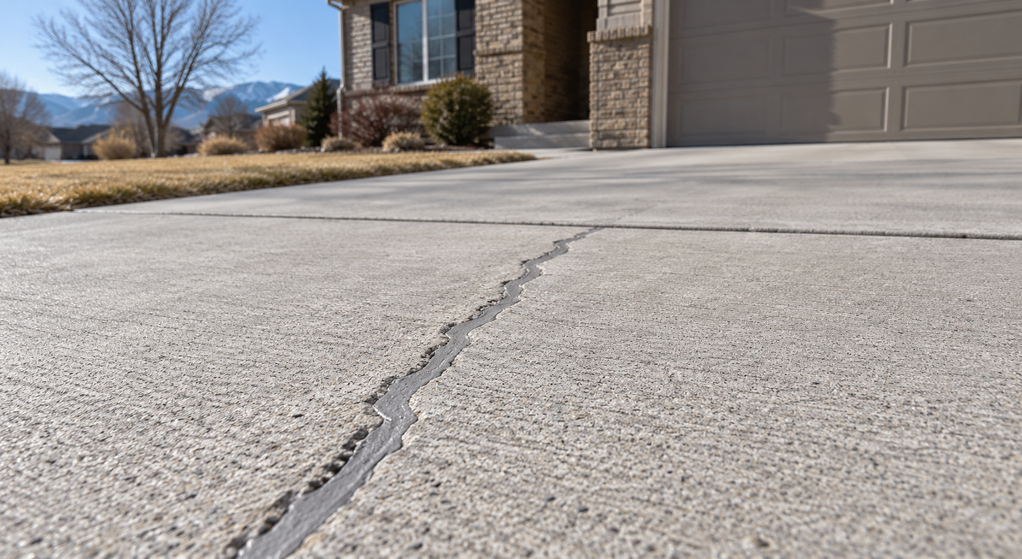
Resurfacing, staining, sealing, and localized patching can improve a driveway when the underlying slab remains stable. They are less effective when concrete has widespread settlement, major elevation differences, severe scaling, or recurring cracks caused by movement beneath the slab.
One common mistake is applying a decorative coating simply because replacement seems disruptive. A coating may improve the surface temporarily, but it will not stabilize an inadequate base or correct poor drainage.
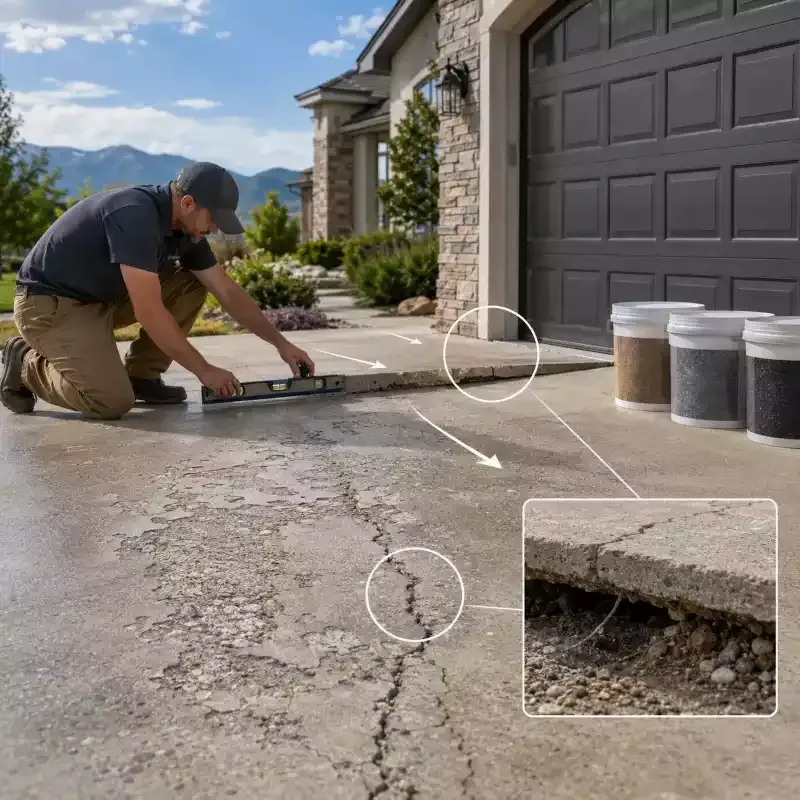
Cracks can eventually reflect through the new layer, leaving the homeowner with the original problem and an additional repair expense.
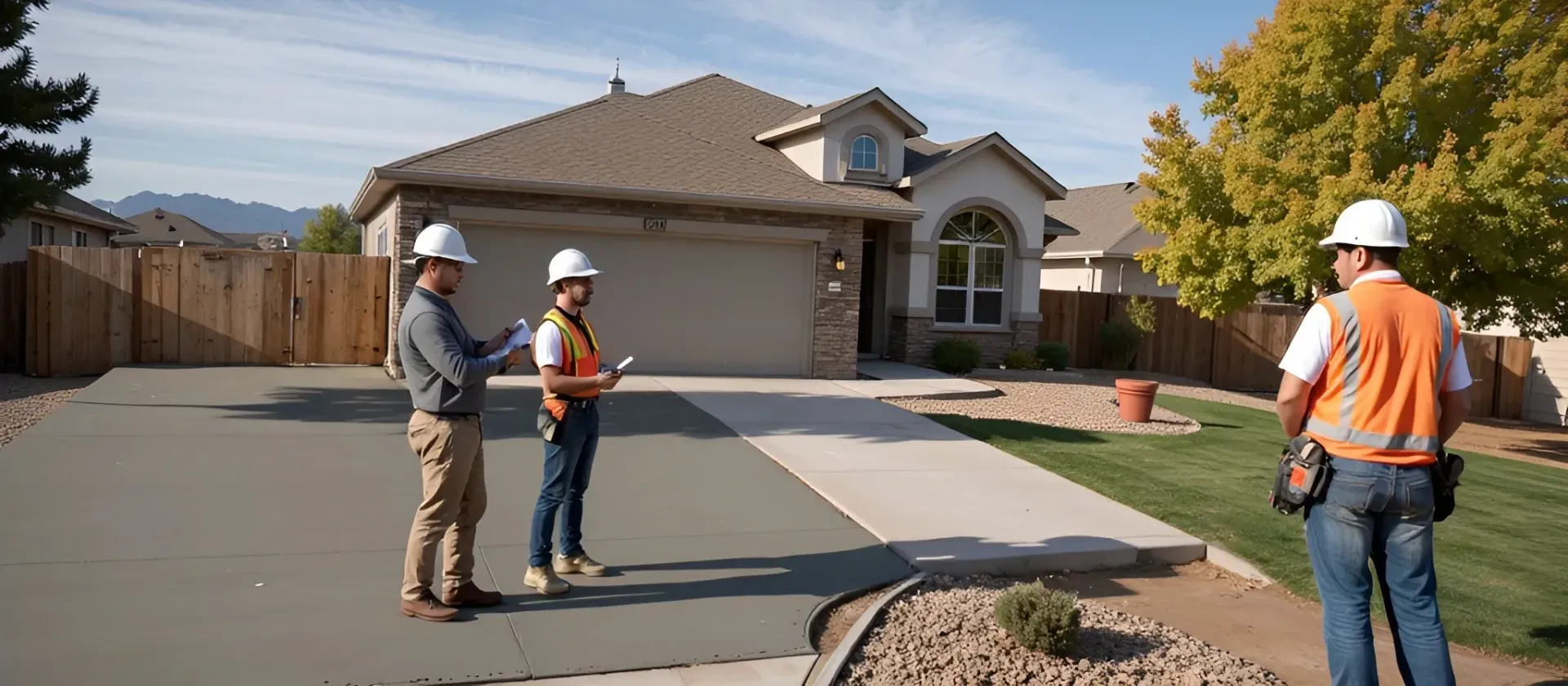
Before choosing a cosmetic treatment, determine whether the damage is limited to the surface or extends through the slab. Minor discoloration and small defects may justify repair. Extensive movement usually requires a more complete solution.
Connect the Driveway With the Rest of the Landscape
A smarter driveway design extends beyond the concrete itself. Defined planting beds, clean lawn edges, low landscape lighting, decorative gravel, and coordinated walkways can soften a large paved area.
However, trees and large shrubs should be positioned carefully. Roots, irrigation, and changing soil moisture can affect surrounding concrete over time. Plantings that require frequent watering should not direct excess moisture toward the slab’s base.
The transition between the driveway, front walk, garage, and public sidewalk should also feel deliberate. Uneven connections and narrow passages can reduce usability, especially when residents need to remove snow or move trash bins, bicycles, and equipment.
Make Decisions Based on Long-Term Use
The smartest Denver concrete driveway is not necessarily the most decorative or expensive. It is the one that suits the home, handles local weather, provides safe traction, drains correctly, and remains manageable to maintain.
When planning a concrete driveway project in Denver, homeowners should settle the structural details before selecting colors or patterns. Confirm the intended vehicle use, drainage plan, base preparation, finish texture, joint layout, curing approach, and maintenance requirements. Once those decisions are sound, decorative elements can be added with confidence.
A well-planned driveway should still look appropriate after design trends change. Simple colors, thoughtful proportions, durable construction, and limited accents usually provide the most reliable path to lasting curb appeal.

Written By:
Kurt Manalastas
Home Improvement Research Specialist
Kurt is a Home & Property Research Journalist who researches and writes educational content on home services, property improvement, and residential decision-making. He focuses on translating real-world contractor experience, industry standards, and verified research into clear, practical guidance that helps homeowners understand their options and make informed decisions.